


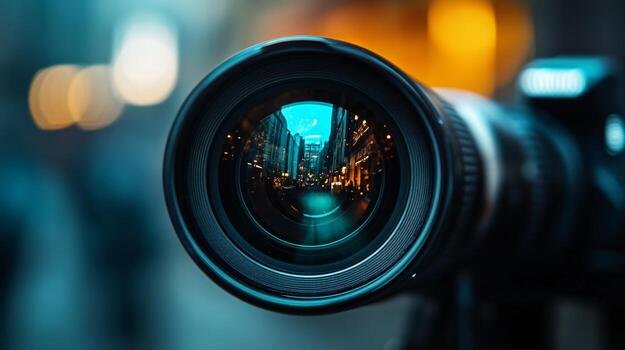
Introduction: Why Photeeq Lens Flare Matters
Lighting can make or break a photograph. While natural and artificial lights provide the foundation, adding creative effects can elevate an image dramatically. One such effect gaining popularity among photographers and digital artists is the Photeeq flare. Unlike basic lens flare filters, Photeeq offers advanced control over light, color, and intensity, allowing you to craft visually striking images that look professional and cinematic.
In this article, we’ll explore what Photeeq lens flare is, how it works, tips for realistic application, and ways to integrate it into photography and video projects.
Understanding Photeeq Lens Flare
Photeeq lens flare is a digital effect designed to mimic the natural scattering of light that occurs when bright light hits a camera lens. In real-life photography, flares appear as glowing streaks, rings, or bursts caused by reflections inside the lens elements.
Photeeq replicates this effect digitally, offering:
-
Precision: Adjust the size, brightness, and angle of the flare.
-
Variety: Choose from multiple flare styles, from subtle highlights to dramatic streaks.
-
Realism: The effect integrates naturally into photos, enhancing depth and lighting without overpowering the scene.
Whether you’re photographing a sunrise, a neon-lit city, or a dramatic studio shot, Photeeq lens flare can give your images a cinematic edge.
Why Photographers and Editors Love Photeeq Lens
Adding lens flare isn’t just an aesthetic choice; it has practical benefits:
-
Creates Mood and Atmosphere
Warm sunlight flares evoke nostalgia, while cooler flares give futuristic vibes. -
Directs Viewer Focus
Flares naturally guide the eye toward your subject. -
Adds Depth to Images
Properly placed flares make a flat image appear more three-dimensional. -
Enhances Storytelling
In cinematic photography and video, flares can subtly convey emotion, time of day, or setting.
How to Apply Photeeq Lens Flare
Applying Photeeq lens flare effectively requires understanding light behavior and the software’s controls. Here’s a step-by-step guide:
Step 1: Identify the Light Source
Determine the strongest light in your image, such as the sun, studio lights, or neon signs. The flare should align with this light source to appear natural.
Step 2: Choose Your Flare Style
Photeeq offers circular flares, streaks, and customizable burst patterns. Select a style that complements the composition.
Step 3: Adjust Brightness and Intensity
Subtle flares often look more realistic. Avoid overpowering the main subject unless you’re aiming for a dramatic, cinematic look.
Step 4: Fine-Tune Position and Angle
Align the flare with the light source. Slight adjustments can significantly change the perception of depth and realism.
Step 5: Blend with Your Image
Use opacity, blending modes, and layer masks to integrate the flare seamlessly. This ensures it looks like a natural part of the scene rather than an overlay.
Tips for Achieving Realistic Lens Flare
-
Start Subtle: Less is often more. Begin with low-intensity flares.
-
Match Scene Colors: Ensure flare color complements existing light tones.
-
Use High-Resolution Images: Flares look sharper and more natural on detailed images.
-
Pay Attention to Lens Type: Different lenses create different flare shapes. Simulate the lens you want.
-
Combine with Depth of Field: Blurring background elements enhances the flare’s realism.
Common Mistakes to Avoid
-
Too Much Flare: Overuse can distract from the subject.
-
Ignoring Scene Lighting: Mismatched light angles ruin realism.
-
Wrong Color Temperature: Flare color must align with the ambient light.
-
Flat Placement: Always consider perspective to ensure depth.
-
Neglecting Shadows: Flare interacts with shadows; ignoring this reduces authenticity.
Photeeq Lens Flare in Video and Digital Art
Photeeq lens flare isn’t limited to photos—it’s widely used in videos and digital art:
-
Video Projects: Animate flares to enhance cinematic scenes.
-
Digital Illustrations: Add realism to sunlight, neon lights, or magical effects.
-
Marketing Visuals: Use flares to highlight products, making them pop in advertisements.
Its flexibility makes it an essential tool for creators who want professional, eye-catching visuals.
Advanced Techniques for Professionals
For advanced users, Photeeq offers:
-
Custom Lens Profiles: Simulate specific lens flare patterns.
-
Animated Flares: Perfect for video sequences or motion graphics.
-
Layer Masking: Apply flares selectively to avoid unwanted areas.
-
Color Grading: Adjust hue and saturation to match creative vision.
These techniques allow professionals to create cinematic visuals that look polished and realistic.
Conclusion
Mastering Photeeq lens flare can take your photography and digital art to the next level. By understanding how light interacts with lenses and learning how to manipulate flare settings, you can create images that are both visually striking and cinematic. From subtle enhancements to dramatic effects, Photeeq lens flare is a versatile tool for anyone looking to elevate their visual storytelling.
Incorporate flares thoughtfully, and your photos and videos won’t just capture light—they’ll capture attention.
FAQs About Photeeq Lens Flare
1. Can beginners use Photeeq lens flare effectively?
Yes, beginners can use default settings for instant results, while advanced users can fine-tune for professional-quality effects.
2. Is Photeeq lens flare suitable for video editing?
Absolutely. It can animate flares for cinematic motion graphics and video sequences.
3. How do I make the flare look realistic?
Align the flare with the light source, match the color temperature, and adjust opacity for subtle integration.
4. Will using Photeeq lens flare affect image quality?
No, when applied properly, it enhances visuals without reducing quality. High-resolution images produce the best results.
5. Can I customize the flare style in Photeeq?
Yes, you can choose from circular, streak, or custom flare shapes, and adjust size, intensity, and color to suit your scene.
