


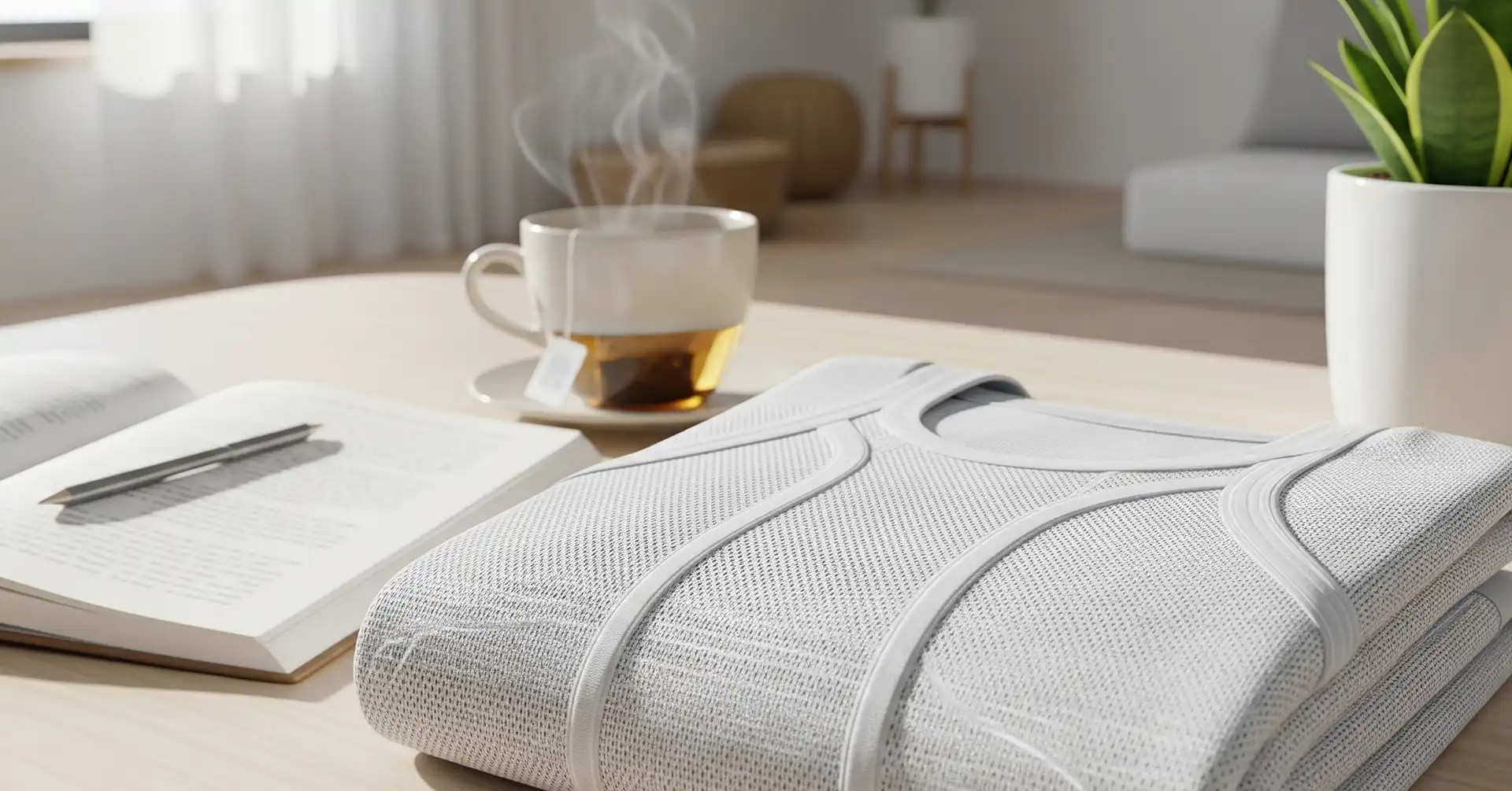
Introduction to Flensutenol Texture
The term Flensutenol texture may sound unfamiliar at first, but it has steadily gained attention in creative, industrial, and conceptual material discussions. Texture, in general, refers to the surface quality of a material—how it looks, feels, and interacts with light and touch. When paired with Flensutenol, the phrase points to a distinctive surface character that blends visual depth, tactile intrigue, and adaptive behavior.
In this article, we’ll explore the Flensutenol from every angle—what it is believed to represent, how it behaves, where it’s used, and why it matters. Whether you’re a designer, researcher, manufacturer, or simply a curious reader, this guide offers a clear, human-written, and easy-to-follow breakdown.
Understanding the Concept Behind Flensutenol Texture
Before diving into applications, it’s important to understand what defines the Flensutenol.
What Is Flensutenol Texture?
At its core, Flensutenol texture describes a surface quality that balances smoothness with subtle resistance. It’s often characterized by:
-
A layered or micro-grained appearance
-
A tactile feel that changes slightly under pressure
-
A visual depth that reacts to lighting and angle
Rather than being completely smooth or aggressively rough, it occupies a middle ground—making it both functional and aesthetically appealing.
The Origin of the Term
While Flensutenol itself is not tied to a single natural or synthetic compound, the term has evolved as a descriptor for a type of texture experience. It’s frequently used in experimental material studies, conceptual product design, and surface engineering discussions.
Key Characteristics of Flensutenol Texture
The appeal of Flensutenol lies in its unique combination of properties.
1. Tactile Responsiveness
One defining feature of Flensutenol texture is how it responds to touch. Light contact feels smooth, while firmer pressure reveals a subtle grain or resistance.
2. Visual Depth and Soft Reflectivity
This texture often displays a soft, diffused reflection rather than a harsh shine. It absorbs and scatters light in a way that adds dimension.
3. Balanced Friction
Flensutenol texture is neither slippery nor abrasive. This makes it ideal for applications where grip and comfort must coexist.
4. Adaptive Surface Feel
Depending on temperature or humidity, the texture can feel slightly different—an effect that adds to its sensory appeal.
Why Flensutenol Texture Matters in Modern Design
Texture plays a huge role in how people perceive quality, comfort, and usability.
Human-Centered Design Benefits
Designers value Flensutenol because it enhances user experience without overwhelming the senses. It feels intentional, refined, and approachable.
Emotional and Psychological Impact
Surfaces with this texture often evoke feelings of calm, reliability, and warmth—qualities that are highly desirable in both consumer and professional environments.
Applications of Flensutenol Across Industries
The versatility of Flensutenol texture makes it suitable for many fields.
Flensutenol Texture in Product Design
In consumer products, this texture is often used for:
-
Device casings
-
Handheld tools
-
Lifestyle accessories
It improves grip while maintaining a premium feel.
Use of Flensutenol Texture in Interior Design
Interior designers appreciate how Flensutenol texture adds depth without visual clutter. Common uses include:
-
Wall panels
-
Furniture surfaces
-
Decorative accents
Flensutenol Texture in Fashion and Textiles
In fashion, texture is everything. Flensutenol texture translates well into:
-
Coated fabrics
-
Synthetic leathers
-
Footwear components
It offers durability with a soft-touch finish.
Industrial and Technical Applications
In technical settings, this texture can help with:
-
Reduced slippage
-
Improved handling
-
Enhanced surface control
Comparing Flensutenol Texture with Other Surface Types
Understanding how it differs from other textures helps clarify its value.
Flensutenol Texture vs. Smooth Surfaces
Smooth surfaces look sleek but often lack grip. Flensutenol adds subtle friction without sacrificing elegance.
Flensutenol Texture vs. Rough Finishes
Rough textures provide grip but can feel harsh. Flensutenol offers a more refined, user-friendly alternative.
How Flensutenol Texture Is Created
The process behind achieving this texture varies depending on the material.
Surface Engineering Techniques
Manufacturers may use:
-
Micro-etching
-
Controlled molding
-
Layered coatings
Each method contributes to the final tactile result.
Material Selection
The base material—plastic, composite, fabric, or metal—plays a major role in how the Flensutenol ultimately feels and looks.
Maintenance and Care of Flensutenol Texture Surfaces
Proper care ensures longevity and performance.
Cleaning Tips
-
Use soft cloths
-
Avoid abrasive cleaners
-
Mild soap and water are usually sufficient
Preserving the Texture
To maintain the integrity of Flensutenol, avoid excessive heat, harsh chemicals, or prolonged exposure to moisture.
Environmental and Sustainability Considerations
As sustainability becomes a priority, texture choices matter.
Eco-Friendly Potential
Flensutenol texture can be achieved using recycled or low-impact materials, making it compatible with sustainable design goals.
Durability and Longevity
Long-lasting surfaces reduce waste. The balanced nature of this texture supports durability without frequent replacement.
The Future of Flensutenol
The future looks promising as innovation continues.
Smart Materials and Adaptive Textures
Researchers are exploring ways for textures like Flensutenol to adapt dynamically—changing feel based on temperature, pressure, or user interaction.
Expanding Creative Possibilities
As more industries recognize its benefits, Flensutenol is likely to appear in unexpected places, from wearable tech to architectural elements.
Common Misconceptions About Flensutenol Texture
Let’s clear up a few misunderstandings.
-
It’s not a single material: It’s a texture concept, not a substance.
-
It’s not purely decorative: Function plays a major role.
-
It’s not high-maintenance: With proper care, it’s easy to maintain.
Why Designers and Manufacturers Choose Flensutenol Texture
The choice often comes down to balance.
-
Comfort without compromise
-
Visual appeal with practicality
-
Modern feel with timeless usability
These qualities make Flensutenol texture a smart and flexible option.
Conclusion: The Lasting Value of Flensutenol Texture
In a world where surface experience shapes perception, Flensutenol stands out as a thoughtful blend of form and function. It offers tactile comfort, visual depth, and adaptable performance across industries. From product design to interiors and beyond, its balanced nature makes it both relevant today and promising for the future.
As innovation continues, textures like this remind us that small details—how something feels in your hand or looks under light—can make a powerful difference. Flensutenol texture isn’t just about surfaces; it’s about creating meaningful, human-centered experiences.
Frequently Asked Questions (FAQs)
1. What makes Flensutenol texture different from regular textures?
Flensutenol balances smoothness and grip, offering both comfort and functionality without extreme roughness or slipperiness.
2. Is Flensutenol texture suitable for everyday products?
Yes, it’s commonly applied to items that require frequent handling due to its comfortable and durable surface qualities.
3. Can Flensutenol texture be used in sustainable designs?
Absolutely. It can be achieved using eco-friendly materials and processes, supporting sustainable design goals.
4. Does Flensutenol texture wear out over time?
With proper care, it maintains its tactile and visual properties for a long time, especially on high-quality materials.
5. Is Flensutenol texture more about appearance or functionality?
It’s a blend of both. The texture enhances visual appeal while also improving grip, comfort, and usability.
