


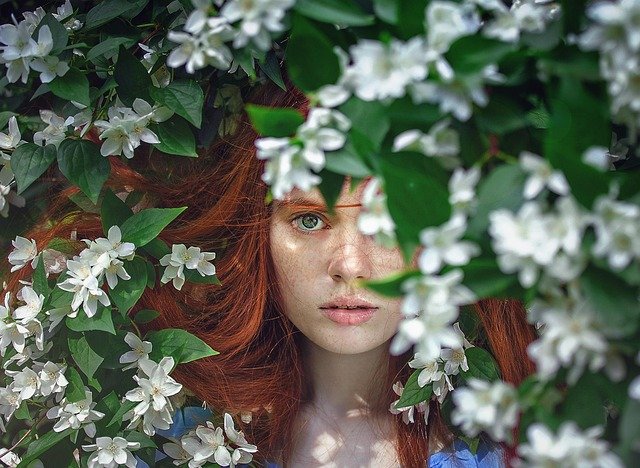
Introduction: The Allure of the Boylecheloid Flower
The Boylecheloid flower is a botanical gem, celebrated for its rare beauty, intricate structure, and diverse color patterns. Unlike common flowers found in most gardens, the Boylecheloid flower is admired for its delicate elegance and resilience. Gardeners, botanists, and flower enthusiasts are drawn to its symmetrical petals, subtle fragrance, and ability to adapt to various climates.
In this comprehensive guide, we will delve into the fascinating world of the Boylecheloid flower, exploring its characteristics, varieties, cultivation techniques, landscaping uses, and cultural significance. Whether you are an experienced horticulturist or an aspiring gardener, this article will provide all the knowledge you need to appreciate and grow this remarkable flower.
What Makes the Boylecheloid Flower Unique?
The Boylecheloid flower stands out due to its distinctive appearance and versatility. Key features that make it remarkable include:
-
Petal Arrangement: A spiral pattern that creates a layered, three-dimensional look.
-
Vibrant Colors: From soft pastels to bold reds, purples, and multi-hued patterns.
-
Fragrance: Light and pleasant, making it ideal for gardens and indoor settings.
-
Growth Flexibility: Can thrive as a perennial in temperate zones or as an annual in warmer regions.
These attributes not only make the Boylecheloid flower visually captivating but also ecologically important, as it attracts pollinators such as bees and butterflies.
Different Varieties of Boylecheloid Flowers
Boylecheloid flowers come in several varieties, each offering unique aesthetic and growing characteristics. Here are some of the most popular types:
1. The Classic Boylecheloid
-
Appearance: Elegant pastel petals arranged in a perfect spiral.
-
Ideal for: Traditional garden beds and decorative containers.
-
Growing Tips: Prefers partial sunlight and well-drained soil.
2. Scarlet Boylecheloid
-
Appearance: Striking deep red blooms with subtle textures.
-
Ideal for: Vibrant garden displays or themed floral arrangements.
-
Growing Tips: Needs full sunlight and moderate watering for optimal blooms.
3. Variegated Boylecheloid
-
Appearance: Multi-colored petals with streaks or speckles for a unique look.
-
Ideal for: Botanical collections or exhibition gardens.
-
Growing Tips: Requires fertile soil and consistent moisture.
By understanding these varieties, gardeners can select the perfect type based on their environment, desired appearance, and care capabilities.
Growing Boylecheloid Flowers: Step-by-Step Guide
Growing Boylecheloid flowers successfully requires knowledge of soil, light, water, and temperature preferences. Here’s a practical guide:
Step 1: Selecting the Right Soil
Boylecheloid flowers flourish in loamy, well-drained soil rich in organic matter. Avoid heavy clay soils, which can lead to waterlogging, or overly sandy soils, which may dry out quickly.
Step 2: Providing Adequate Sunlight
Most Boylecheloid varieties thrive in partial to full sunlight. While some can tolerate light shade, more sunlight generally enhances bloom intensity and color vibrancy.
Step 3: Watering Properly
Maintain moderate moisture levels. Water the plant deeply but allow the soil to dry slightly between watering to prevent root rot. Mulching around the base can help retain soil moisture.
Step 4: Fertilizing for Growth
Use a balanced, slow-release flower fertilizer during the growing season to encourage healthy foliage and abundant blooms. Organic compost or natural fertilizers also work well for Boylecheloid flowers.
Step 5: Pruning and Maintenance
Regular pruning removes dead or damaged flowers, promoting new growth and extending the blooming season. Inspect plants for pests or diseases and take preventive measures to maintain plant health.
Boylecheloid Flowers in Landscaping and Decoration
The Boylecheloid flower is not just botanically significant—it is also a design favorite in landscaping and decoration.
-
Garden Landscaping: Its vibrant petals and striking form make it perfect for borders, flower beds, and focal points in gardens.
-
Indoor Potted Plants: Compact varieties can brighten interiors, adding elegance and a natural fragrance.
-
Floral Arrangements: The unique spiral petals and variety of colors make Boylecheloid flowers ideal for bouquets, wedding decorations, and event arrangements.
Its versatility ensures that it can be integrated into multiple aesthetic settings, from formal gardens to casual home décor.
Cultural and Ecological Significance
The Boylecheloid flower is more than just a decorative plant. It holds cultural, symbolic, and ecological importance:
-
Symbol of Elegance: Frequently referenced in art, literature, and cultural ceremonies.
-
Renewal and Growth: Representing resilience and new beginnings, due to its perennial growth patterns.
-
Pollinator Support: Vital for bees, butterflies, and other pollinators, contributing to biodiversity.
This combination of beauty, symbolism, and ecological function makes the Boylecheloid flower a truly special plant.
Tips for Protecting Your Boylecheloid Flowers
To ensure that your Boylecheloid flowers thrive year after year, follow these protection tips:
-
Monitor for pests such as aphids, spider mites, and caterpillars. Use natural remedies or eco-friendly pesticides.
-
Avoid planting in waterlogged areas or places exposed to harsh winds.
-
Rotate soil annually or enrich it with compost to maintain nutrient-rich soil.
-
Shield sensitive varieties from frost or extreme heat by using covers or temporary shading.
Following these guidelines will ensure vibrant blooms and a healthy, long-lived plant.
Conclusion
The Boylecheloid flower is an extraordinary plant that blends beauty, resilience, and ecological importance. Its unique spiraled petals, range of colors, and adaptability make it a favorite among gardeners, florists, and nature enthusiasts. Beyond aesthetics, it supports pollinators and carries rich symbolic meaning in various cultures.
Whether you are cultivating it in your garden, using it for decoration, or simply admiring its beauty, the Boylecheloid flower offers an enchanting connection to nature. By understanding its growth needs and caring for it properly, you can enjoy its stunning blooms for years to come.
Embrace the elegance and charm of the Boylecheloid flower, and let it transform your garden into a haven of rare beauty.
FAQs About Boylecheloid Flower
Q1: Can Boylecheloid flowers grow in all climates?
A1: They are adaptable but grow best in temperate or subtropical climates. Some varieties tolerate partial shade and mild frost.
Q2: How often should I water Boylecheloid flowers?
A2: Water 2–3 times per week, keeping soil moist but not waterlogged. Adjust frequency based on climate and soil type.
Q3: Are Boylecheloid flowers suitable for indoor growing?
A3: Yes, smaller varieties thrive in pots with adequate sunlight and proper drainage.
Q4: What are common pests affecting Boylecheloid flowers?
A4: Aphids, spider mites, and caterpillars are the most common. Regular inspection and eco-friendly treatments help prevent damage.
Q5: How can I enhance the bloom of Boylecheloid flowers?
A5: Provide adequate sunlight, use nutrient-rich soil, fertilize during the growing season, and prune dead flowers regularly.
