


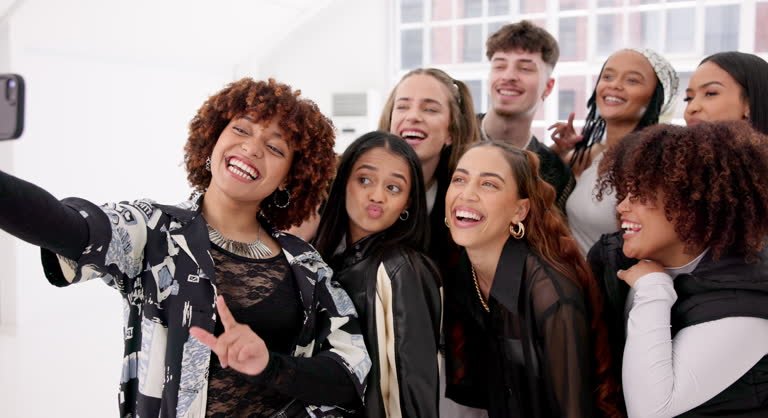
The rise of Influencers Gone Wild has quickly become one of the biggest talking points in today’s digital world. With social media platforms exploding in popularity, influencers from all niches are experimenting with bold, shocking, and sometimes downright chaotic behavior to stay relevant. Whether it’s wild pranks, controversial statements, extreme transformations, or unpredictable stunts, the trend shows no signs of slowing down.
In this article, we’ll break down why this trend exists, how it affects online culture, what brands should be cautious about, and how followers can stay informed in a world where entertainment often mixes with unpredictability.
What Does “Influencers Gone Wild” Really Mean?
The phrase Influencers Gone Wild refers to situations where content creators push social, ethical, or creative boundaries for attention. These moments can be funny, harmless, controversial, or even dangerous depending on the influencer’s intent and the type of content they produce.
This trend usually involves:
-
Unexpected public stunts
-
Controversial opinions
-
Exaggerated lifestyles
-
Prank culture
-
Drama-based content
-
Risky challenges
-
Emotional outbursts on livestreams
The common goal? Viral engagement.
Why Influencers Gone Wild Is Becoming a Massive Trend
1. The Constant Pressure to Stay Relevant
Influencers are in a never-ending race for:
-
Likes
-
Shares
-
Comments
-
Follower growth
-
Brand deals
This creates a competitive environment where creators feel pressured to outdo themselves every time.
2. Algorithms Reward Short-Term Shock Value
Social media platforms—especially TikTok, Instagram Reels, and YouTube Shorts—favor content that immediately grabs attention. The more jaw-dropping the moment, the faster it spreads.
This is why the Influencers Gone Wild trend thrives: shock equals engagement.
3. Viral Fame Is More Valuable Than Ever
One outrageous video can turn a small creator into a household name overnight. Even negative press can increase their visibility.
For some influencers:
-
Controversy = Profits
-
Drama = Followers
-
Chaos = Monetization
4. Changing Audience Behavior
Today’s viewers expect creators to entertain, surprise, and innovate. Mild content no longer captures interest. Audiences crave:
-
Drama
-
Humor
-
Relatability
-
Authenticity with a twist
Many influencers respond to these expectations by going bigger—and sometimes too far.
Examples of Influencers Gone Wild (Harmless to Extreme)
Harmless Wild Moments
These often lead to positive or funny viral attention:
-
Public social experiments
-
Extreme room makeovers
-
Comedy skits
-
Surprising fans
-
Creative challenges
-
Outlandish fashion or makeup looks
They’re entertaining without causing harm.
Controversial or Dangerous Moments
This is where things get complicated:
-
Risky stunts done for clout
-
Destroying public or private property
-
Fake giveaways
-
Spreading misinformation
-
Staging dramatic situations
-
Livestream meltdowns
-
Creating unnecessary drama with other influencers
These examples frequently go viral for the wrong reasons.
The Psychology Behind the “Influencers Gone Wild” Trend
1. The Dopamine of Virality
Likes, comments, and shares act like digital rewards. Influencers may seek bigger reactions over time, leading to more extreme content.
2. Performance Pressure
Creators fear losing relevance. One viral moment can rapidly fade, pushing them to attempt wilder ideas.
3. The Illusion of Fame
Many influencers feel obligated to maintain a certain image or lifestyle, leading to exaggerated behavior.
4. Audience Conditioning
The more audiences consume extreme content, the more they demand it. This creates a loop where influencers feel pressured to escalate.
How Brands Respond to Influencers Gone Wild
Brands Cutting Ties
Companies usually distance themselves when an influencer:
-
Sparks controversy
-
Reflects poorly on the brand
-
Violates ethical standards
One wild moment can easily cost a creator thousands in sponsorships.
Brands Capitalizing on Chaos
Some brands—especially those targeting Gen Z—love partnering with bold or chaotic influencers because:
-
They attract attention
-
They have loyal fanbases
-
Their content spreads fast
This approach is risky but highly effective for certain industries.
Stricter Contract Policies
Brands now include:
-
Behavior clauses
-
Morality requirements
-
Content review agreements
This protects them from unpredictable influencer behavior.
Impact of Influencers Gone Wild on Viewers
Positive Impact
-
Inspires creativity
-
Provides entertainment
-
Encourages authenticity
-
Sparks cultural conversations
Negative Impact
-
Promotes unrealistic lifestyles
-
Encourages risky or harmful trends
-
Spreads misinformation
-
Creates emotional manipulation
-
Leads to comparison-based stress
This proves that wild content doesn’t just influence behavior—it can reshape how people see themselves and the world.
The Role of Social Media Platforms
Platforms have started taking action when influencers cross certain lines:
-
Shadow banning
-
Video takedowns
-
Account suspensions
-
Age restrictions
-
Warning labels
However, critics argue that platforms often react too late or inconsistently.
Some believe platforms benefit from viral chaos, so they rarely block extreme content unless absolutely necessary.
How Influencers Can Avoid Crossing the Line
1. Focus on Authenticity
Audiences resonate with real, relatable content more than staged drama.
2. Avoid High-Risk Stunts
Short-term fame is not worth physical or legal consequences.
3. Take Accountability Seriously
Online reputation is fragile. Apologizing quickly and responsibly helps maintain trust.
4. Build a Stable Support System
Influencers need guidance from:
-
Managers
-
Friends
-
Mental health professionals (when needed)
A strong support system prevents emotional burnout.
5. Plan Content Strategically
Thoughtfully created content sustains long-term influence without shocking audiences unnecessarily.
Why Audiences Are Obsessed With Influencers Gone Wild
Today’s viewers love:
-
Unexpected events
-
Dramatic reactions
-
Human flaws
-
Relatable chaos
-
Entertainment that breaks routine
The combination of shock, humor, and emotional intensity keeps people watching—and sharing.
The Future of Influencers Gone Wild
More Extreme, but More Strategic
Wild content will continue—but influencers will become smarter about what they post.
Audience Intelligence Is Evolving
Viewers are beginning to spot fake drama or staged stunts. Authentic wild moments gain more respect.
Rules and Regulations Will Tighten
Governments and platforms are creating more policies to protect viewers from harmful influencer behavior.
Long-Term Success Will Favor Authentic Creators
While wild content brings quick fame, sustainable influence comes from trust, transparency, and creativity.
Conclusion
The Influencers Gone Wild phenomenon represents a major shift in digital culture. While some wild content is lighthearted and entertaining, other moments highlight the risks of chasing online fame. Influencers must balance creativity with responsibility, brands must choose partnerships wisely, and viewers must stay aware of how viral content shapes their perceptions.
In a world where attention is currency, going wild might grab temporary fame—but authenticity, integrity, and smart storytelling are what truly build lasting influence.
FAQs
1. What does the term “Influencers Gone Wild” refer to?
It describes influencers who push boundaries through dramatic, chaotic, or extreme content to gain attention and go viral.
2. Why do influencers create such wild content?
Because platforms reward shocking content with higher visibility, more engagement, and potential earnings.
3. Are all influencers gone wild moments harmful?
No. Many are harmless, funny, or creative. Problems arise when influencers promote risky or unethical behavior.
4. How do brands react when influencers go wild?
Most brands distance themselves, but some capitalize on the viral momentum depending on their marketing strategy.
5. Will this trend continue in the future?
Yes, but with more regulations and smarter content strategies as audiences become more aware of staged and exaggerated behavior.
