


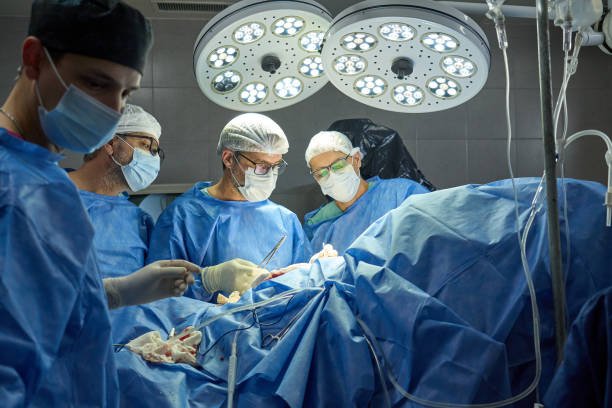
Protocolo operacional padrao In every type of organization—whether large companies, hospitals, factories, small businesses, or government departments—there is a constant need for structure and consistency. This is where the Protocolo Operacional Padrão becomes essential. The concept, often known as POP, ensures that specific tasks are executed the same way every single time, promoting reliability, quality, and operational excellence.
As industries evolve and processes become more complex, the role of the Protocolo Operacional Padrão has grown significantly. Today, POPs are used not only for standardizing tasks but also for improving safety, training new employees, and maintaining compliance with national and international regulations.
In this updated and comprehensive guide, you will understand everything about the Protocolo Operacional Padrão, including how it works, why it matters, how to create one, and how organizations in different industries use it to achieve high performance.
Understanding the Meaning of Protocolo Operacional Padrão
A Protocolo Operacional Padrão is a formal document that outlines the essential steps required to carry out a specific task or process. It provides clear instructions that ensure employees perform tasks consistently, correctly, and safely.
Unlike general guidelines, a POP describes each step in detail — what to do, how to do it, when to do it, and who is responsible.
In simple terms:
A POP tells employees exactly how to perform a process, ensuring everyone follows the same procedure.
This eliminates confusion, reduces errors, improves communication, and strengthens organizational discipline.
Why the Protocolo Operacional Padrão Matters Today More Than Ever
Modern businesses face challenges such as competition, digital transformation, and rigorous compliance requirements. A well-prepared Protocolo Operacional Padrão acts as a backbone that supports standardization and operational control.
Below are key reasons why POPs are essential today:
1. Consistency Across All Operations
When everyone follows the same steps, the results remain stable and predictable. This consistency increases customer trust and reduces internal variations.
2. Risk Reduction and Safety Control
In industries like healthcare, manufacturing, and laboratories, the Protocolo Operacional Padrão is crucial for avoiding accidents, contamination, or operational failures.
3. Improved Training for Newly Hired Staff
Instead of spending hours explaining tasks, supervisors use POPs to train new employees quickly and efficiently.
4. Compliance with Laws and Certifications
Many regulatory bodies require documented procedures as proof that an organization follows established standards.
For example:
-
ANVISA
-
ISO certifications
-
Environmental compliance departments
5. Higher Productivity and Better Workflow Management
With clear instructions, employees spend less time asking questions and more time completing tasks.
Main Elements that Make Up a Protocolo Operacional Padrão
To create an effective Protocolo Operacional Padrão, certain essential elements must be included. These components help create clarity and prevent misinterpretation.
Below is the ideal structure of a complete POP:
1. Identification of the Document
Includes:
-
Title
-
Document number
-
Department/sector
-
Version and revision date
This ensures the POP can be tracked and updated when necessary.
2. Objective
Explains the purpose of the Protocolo Operacional Padrão and what it intends to accomplish.
3. Scope
Defines where and to whom the POP applies — which team, department, or type of operation.
4. Key Definitions
Technical terms should be clarified to avoid confusion among employees.
5. Roles and Responsibilities
Indicates who is responsible for:
-
Executing the task
-
Supervising the task
-
Approving the POP
6. Step-by-Step Procedures
The heart of the Protocolo Operacional Padrão includes clear and detailed instructions.
Each step should be:
-
Simple
-
Specific
-
Chronological
-
Easy to follow
7. Required Tools, Materials or Equipment
Protocolo operacional padrao This section lists everything needed to execute the procedure properly.
8. Safety Guidelines
Every POP must include safety precautions, especially in high-risk industries such as food, chemicals, or health.
9. Records and Documentation
Employees must register what tasks were completed, when, and by whom.
10. Attachments
Diagrams, tables, photos, checklists, or additional explanations may be included at the end.
How to Create an Effective Protocolo Operacional Padrão Step-by-Step
Protocolo operacional padrao Creating a POP is not difficult, but it requires attention and collaboration. Below is a simple and modern approach to developing a high-quality Protocolo Operacional Padrão.
1. Study the Current Workflow
Observe how the task is performed today. Talk to employees and analyze existing problems or variations.
2. Map All Steps Clearly
List every action involved in the task, even those that seem obvious.
3. Interview Key Employees
People who perform the task daily usually know more than managers. Their input is extremely valuable.
4. Write the Procedure in Simple and Clear Language
Avoid technical jargon unless necessary. Instructions should be understandable even for a newly hired employee.
5. Test the POP in Real Work Environment
Before final approval, test the procedure and revise anything unclear.
6. Train the Entire Team
Once approved, employees must be properly trained to follow the new Protocolo Operacional Padrão.
7. Review and Update Regularly
A POP should not remain static. It must be updated whenever:
-
Technology changes
-
New regulations appear
-
Processes evolve
Sectors that Rely on the Protocolo Operacional Padrão
The use of POPs extends across nearly every industry. Below are examples of how different sectors use the Protocolo Operacional Padrão daily.
1. Healthcare Sector
Hospitals and clinics use POPs to ensure patient safety and compliance.
Examples:
-
Patient admission procedures
-
Medication preparation
-
Sterilization routines
2. Manufacturing Industry
Protocolo operacional padrao Factories rely on standardized protocols to maintain quality and avoid accidents.
Examples:
-
Machine calibration
-
Production line setup
-
Quality inspections
3. Food and Beverage Industry
Food safety relies heavily on POPs to avoid contamination.
Examples:
-
Hygiene procedures
-
Ingredient handling
-
Equipment sanitation
4. Information Technology
IT companies use POPs for cybersecurity, troubleshooting, and system maintenance.
Examples:
-
Backup procedures
-
Password management
-
Network configuration
5. Education and Public Institutions
Schools and government offices use POPs to maintain organization and efficiency.
Examples:
-
Student attendance procedures
-
Document management
-
Emergency protocols
Benefits of Implementing a Protocolo Operacional Padrão
Organizations that use POPs consistently experience significant improvements. Some of the most impactful benefits include:
1. Lower Operational Errors
Clear instructions reduce mistakes and increase accuracy.
2. More Efficient Teamwork
Everyone knows their responsibilities, which strengthens collaboration.
3. Enhanced Customer Satisfaction
When service is consistent, customers trust the organization more.
4. Time and Cost Savings
Standardizing tasks reduces delays, confusion, and unnecessary expenses.
5. Strong Organizational Culture
A Protocolo Operacional Padrão creates a culture of discipline, responsibility, and professionalism.
Common Mistakes to Avoid When Creating POPs
Even though POPs are useful, many organizations make mistakes that weaken their effectiveness.
Mistakes include:
❌ Writing overly complicated instructions
❌ Ignoring employee feedback
❌ Using outdated information
❌ Creating POPs without real testing
❌ Storing documents where employees can’t access them
Avoiding these mistakes ensures your Protocolo Operacional Padrão remains useful and effective.
The Future of Protocolo Operacional Padrão: Digitalization and Automation
With digital transformation accelerating globally, POPs are becoming more modern and accessible. Many organizations now use:
-
Mobile apps
-
Cloud-based POP systems
-
Digital checklists
-
QR-code verification
-
Automated compliance alerts
Protocolo operacional padrao Digital POPs reduce paperwork, improve accuracy, and allow real-time updates.
Conclusion: Why Every Organization Needs a Strong Protocolo Operacional Padrão
A Protocolo Operacional Padrão is more than a document—it is a powerful tool that strengthens quality, consistency, safety, and efficiency across all business areas. Whether you manage a small team or a large corporation, a well-designed POP ensures that tasks are performed correctly, employees stay aligned, and operations run smoothly.
By adopting structured POPs, organizations become more disciplined, competitive, and prepared for future challenges. If you want your business to grow with confidence and clarity, implementing a strong Protocolo Operacional Padrão is undeniably one of the smartest decisions.
FAQs
1. What is the main purpose of a Protocolo Operacional Padrão?
Its main purpose is to standardize tasks so they are performed consistently and safely.
2. Who is responsible for writing a POP?
Usually managers, supervisors, or specialists write POPs with input from employees who know the task well.
3. How often should a POP be updated?
Whenever processes change, technology evolves, or regulations require updates—normally once a year.
4. Can POPs be digital?
Yes. Today, many organizations prefer digital POPs because they are easier to update and access.
5. Is a POP the same as a SOP?
Yes, they are equivalent. POP is used in Portuguese, while SOP (Standard Operating Procedure) is used in English.
